seqwws Logo seqwws Contact Us
Contact Us

Candle Arrangements: Creating Focal Points

8 min read Beginner April 2026

Learn practical techniques for arranging candles to create visual interest and warmth. Includes placement tips for different room sizes and seasons, perfect for transforming your space during Latvia's long winters.

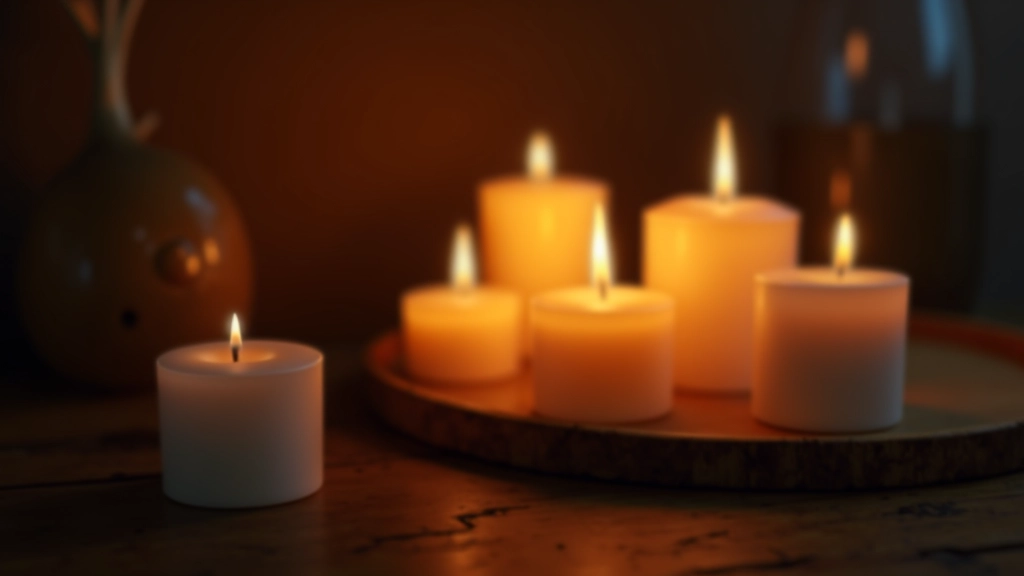
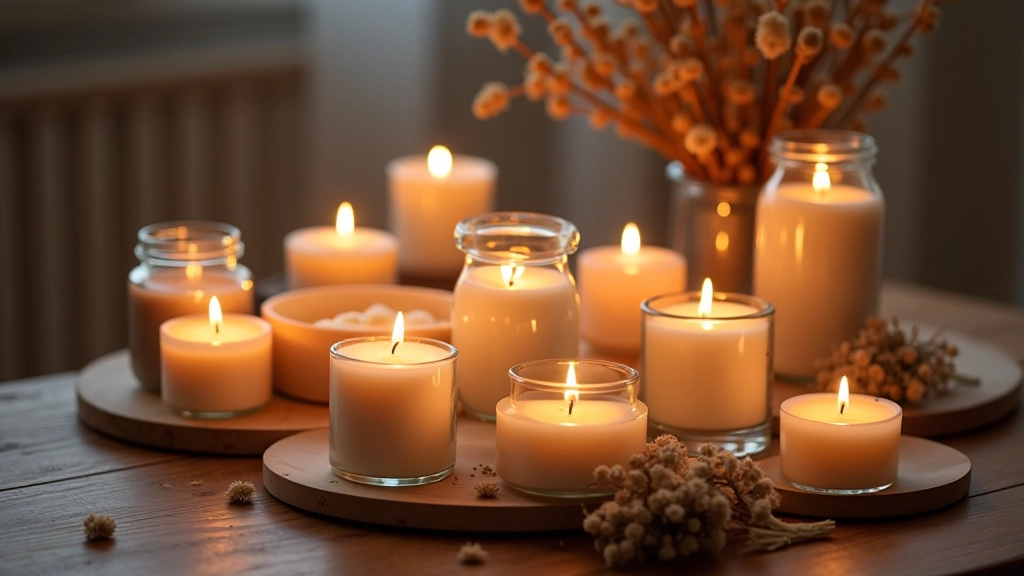
Selection of different candles and warm light sources arranged on a wooden surface for ambient lighting

Why Candle Placement Matters

There's something about candles that transforms a room. It's not just the light — it's the intention. When you arrange candles thoughtfully, you're creating a focal point that draws the eye and sets the mood. During our long Baltic winters, this becomes especially important. You're not just adding illumination; you're building atmosphere.

The difference between scattered candles and a well-arranged display is striking. A strategic arrangement creates visual depth, makes spaces feel intentional, and genuinely improves how a room feels. We're going to walk through the practical side — measurements, placement rules, and specific techniques that actually work in real living spaces across Rīga and beyond.

Key Arrangement Principle

Odd numbers create visual balance. Three candles draw attention better than two or four. Five candles work for larger surfaces. The grouping should feel intentional, not accidental.

The Three Rules of Focal Point Creation

Creating a focal point with candles isn't complicated, but it does follow basic visual principles. First, you need height variation. If all your candles are the same height, they blend together rather than creating interest. Mix pillar candles of different heights — typically 10cm, 15cm, and 20cm work well together. This creates a natural stepped effect that catches light differently at each level.

Second is color harmony. You don't need every candle to match, but they should work together. Warm creams, soft whites, and pale golds create cohesion. If you're mixing colors, stick to a palette of 2-3 shades maximum. A room with burgundy accents might feature deep red candles alongside cream — this pulls the design together rather than competing with it.

Third is spacing and breathing room. Candles grouped too tightly feel cramped. Leave 8-12cm between individual candles in an arrangement. This lets the eye rest and prevents the space from looking cluttered. On a coffee table, arrange three candles in a gentle triangle shape with one slightly forward. This guides the viewer's gaze naturally.

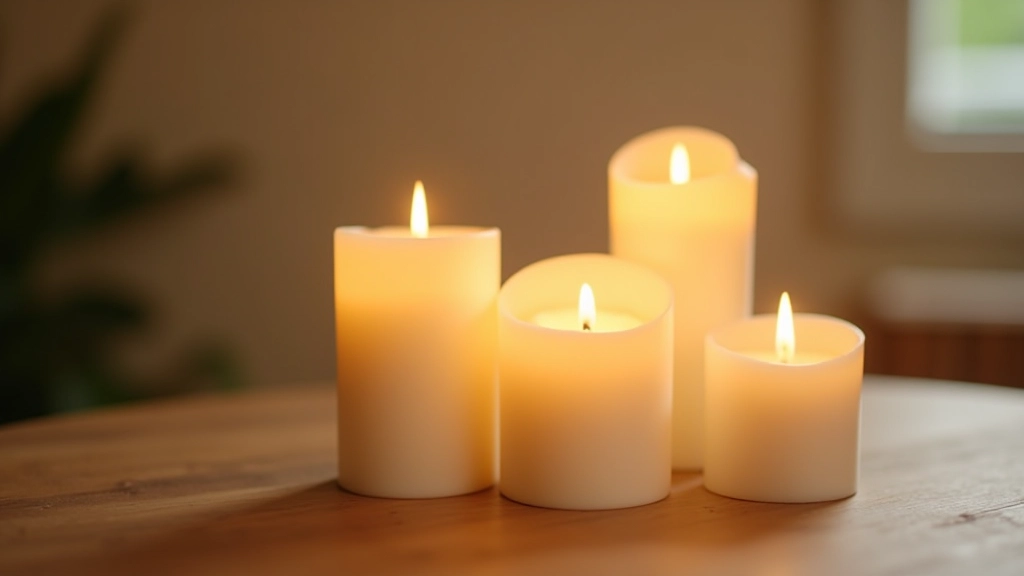
Arrangement of three pillar candles in varying heights positioned in a triangular formation on a wooden surface
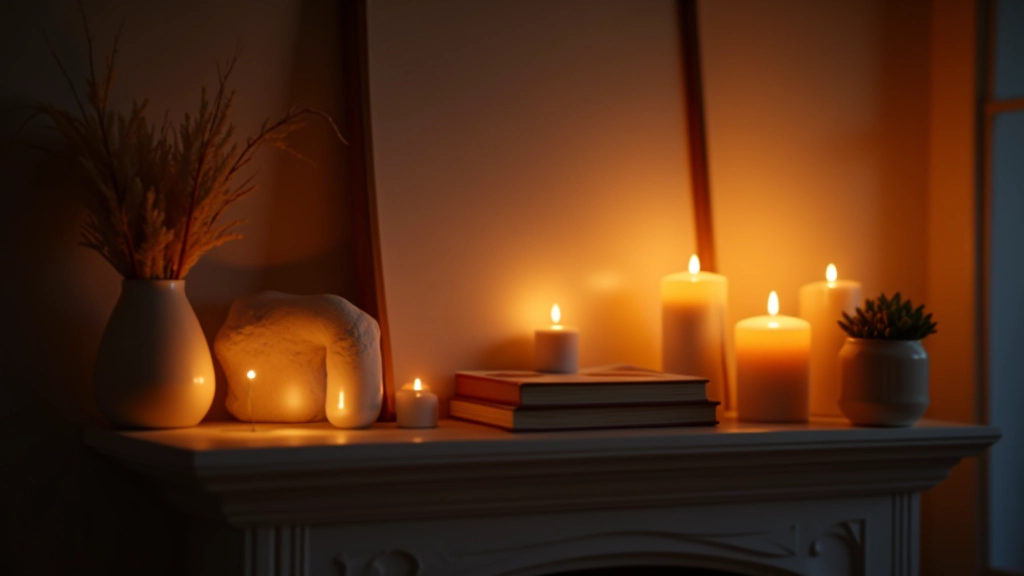
Styled mantelpiece display featuring multiple candles of varying heights arranged with decorative books and small plants

Placement for Different Spaces

Your room size determines how you approach candle arrangement. In smaller spaces — bedrooms or apartments typical in Rīga's older buildings — a single focal point works best. Place three candles on your bedside table or shelf. This creates intimacy without overwhelming the space.

For living rooms, you can create multiple focal points. One arrangement on the coffee table (5-7 candles grouped) and another on the mantelpiece (3-5 candles). Don't arrange them identically. Vary the heights and spacing slightly so each display feels distinct. This prevents your room from looking staged.

Bathrooms benefit from low arrangements. Candles at eye level or below when you're in the bath create that spa-like feeling. Three tea lights in a shallow dish, or 2-3 short pillar candles (around 7-10cm) on the edge of the tub works beautifully. Keep them away from water and towels — safety first.

Adapting Your Arrangement by Season

Winter in Latvia demands deeper, warmer arrangements. This is when candles become essential, not decorative. December through February, go bold with larger candles, more of them, and richer scents if you use them. Vanilla, cinnamon, and woodsy fragrances complement the season. Group 7-9 candles in larger spaces for maximum impact during the darkness.

Spring and autumn are transition seasons. Lighter colors work here — pale yellows, soft pinks, whites. Use fewer candles (3-5) and consider adding fresh elements. A small branch or two among your candles adds texture. This isn't about volume; it's about suggesting the season's movement toward or away from warmth.

Summer needs a lighter touch. Even in Jūrmala's cool evenings, heavy candle arrangements feel out of place. Thin taper candles, votive candles, or tea lights work better. Arrange them loosely, almost casually. The goal shifts from creating warmth to creating gentle ambiance when natural light lingers long into evening.

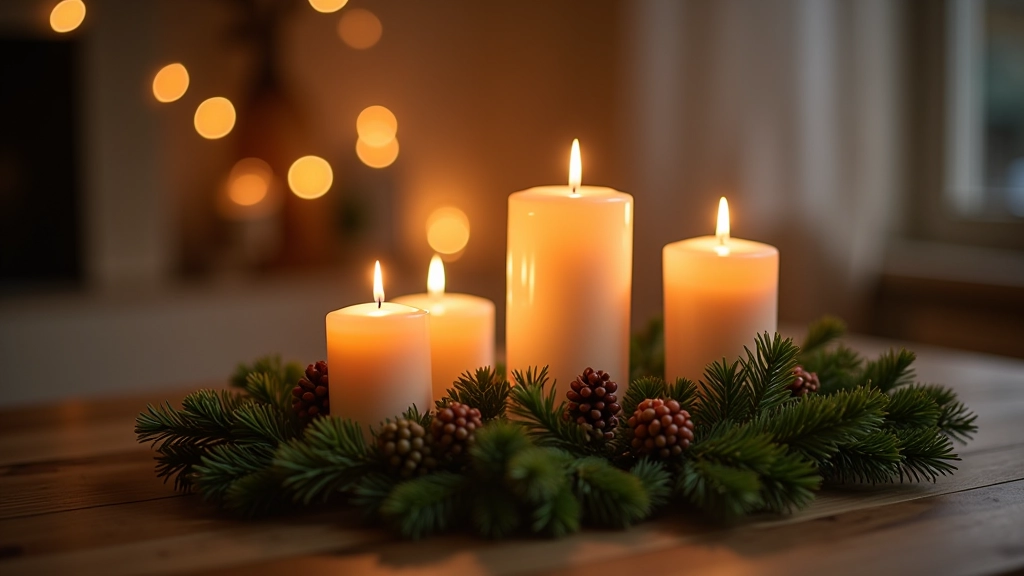
Winter-themed candle display with multiple pillar candles, evergreen branches, and warm ambient lighting

Safety Note

This article provides informational guidance on candle arrangement and placement. While we've included spacing and safety considerations, always follow manufacturer guidelines for your specific candles. Never leave burning candles unattended. Keep candles away from drafts, curtains, and flammable materials. If you have pets or small children, ensure arrangements are placed securely out of reach. Different candle types have different burn characteristics — always review product instructions before use.

Creating Warmth Through Intentional Design

Your candle arrangement is more than decoration. It's a deliberate choice to create atmosphere, to slow down during winter months, and to make your space feel genuinely yours. Start with three candles in varying heights. Arrange them on a surface you love. Notice how the light changes as evening approaches. That's when you'll understand why this matters.

The techniques we've covered — height variation, odd numbers, proper spacing, color harmony — they're not rules meant to limit you. They're guides that help your arrangement feel intentional rather than random. Once you've tried the basic approach, you'll develop your own style. Maybe you'll add greenery. Maybe you'll use scented candles. Maybe you'll create multiple focal points throughout your home.

What matters is that you're thinking about how light shapes your space. In Latvia, where winters bring long hours of darkness, this isn't a luxury. It's a practice that genuinely improves how you experience your home. Your first arrangement might feel modest. But you'll notice the difference it makes.

Ready to explore more about creating cozy spaces? Check out our guide to understanding hygge or learn about layered lighting techniques.

Explore Hygge Concepts