Understanding Hygge: The Art of Cozy Living
Discover what makes hygge different from just comfort. We'll explore the Danish concept that's transforming homes across the Baltic region.
Explore color temperature, lumens, and smart bulb options. We'll help you choose LEDs that actually feel warm and inviting, not cold and clinical.
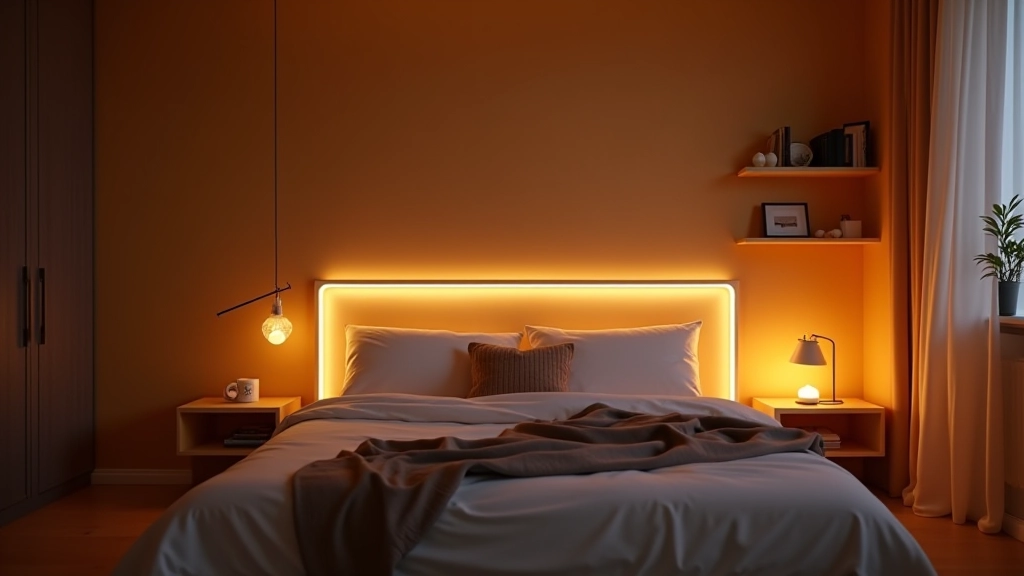
LED bulbs have revolutionized home lighting. They're energy-efficient, last longer than incandescent bulbs, and come in an incredible range of color temperatures. But here's the thing — not all LEDs feel the same. A poorly chosen LED can make your living room feel like a hospital waiting area instead of a cozy retreat.
The difference comes down to color temperature, measured in Kelvin. Most people don't realize that "warm" doesn't mean bright — it means the light leans toward amber and red tones rather than blue. We're going to walk you through everything you need to know to pick LEDs that actually match the cozy, inviting atmosphere you're after in your Rīga or Jūrmala home.
Color temperature determines whether your light feels cozy or clinical. It's measured in Kelvin (K), and the lower the number, the warmer the light. You'll see LEDs labeled anywhere from 2200K to 6500K and beyond.
For Baltic homes especially, warm light is crucial. During those long winter months when darkness dominates your day, the right light temperature can actually affect your mood and energy levels. That's not just marketing talk — it's real science.
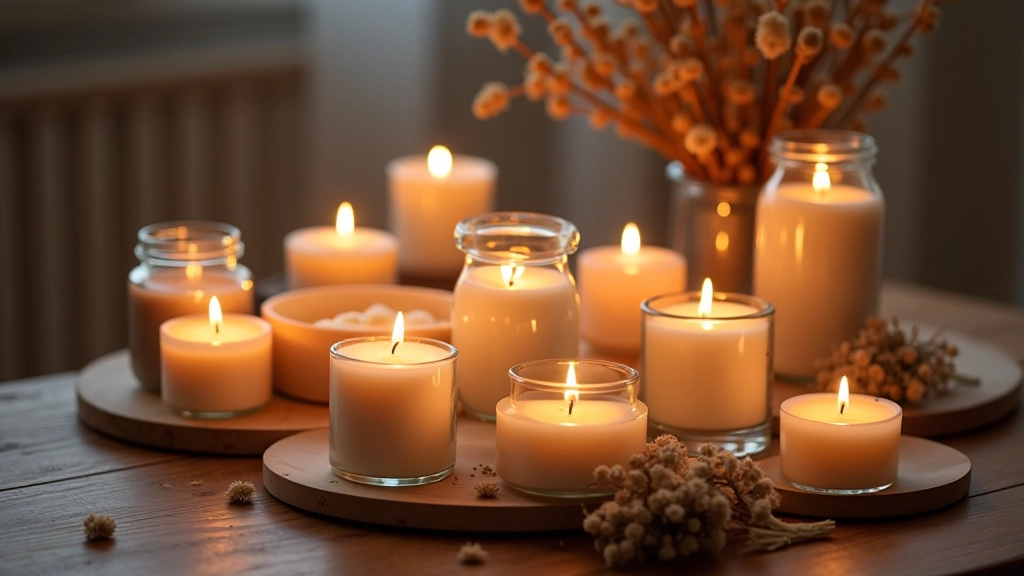
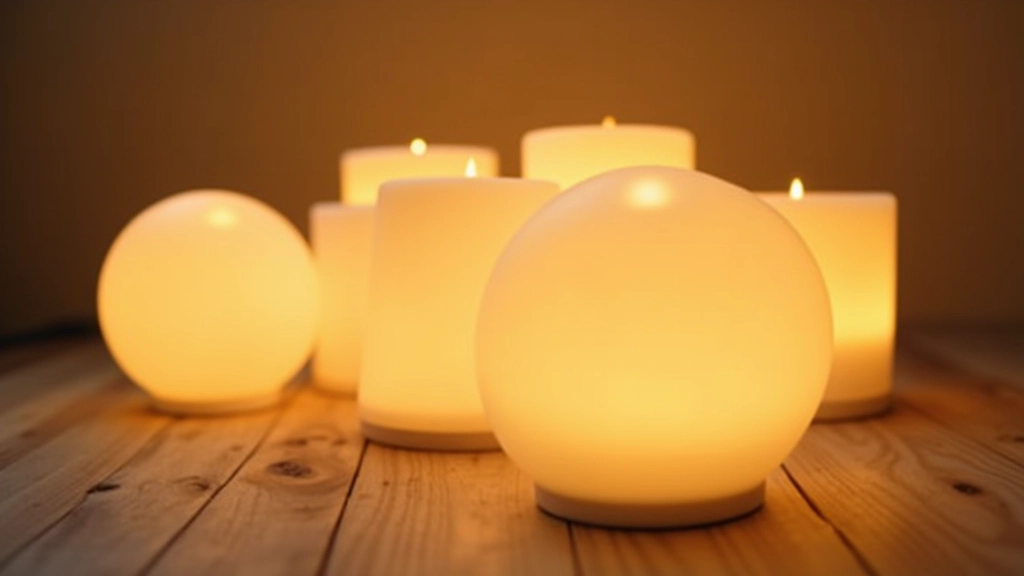
The sweet spot for most living spaces? Between 2700K and 3000K. This range mimics the warmth of candlelight and traditional incandescent bulbs. It's comfortable, it's welcoming, and it won't make you feel like you're sitting in an office building. If you go much higher — say 4000K or 5000K — you're moving into "daylight" territory, which can feel harsh and energizing rather than relaxing.

Here's where people get confused. With old incandescent bulbs, you'd buy a "60-watt" bulb and know roughly how bright it would be. With LEDs, that doesn't work. Watts measure energy consumption, not brightness. You need to look at lumens instead.
Lumens measure actual light output. A 9-watt warm LED might produce around 800 lumens, which is roughly equivalent to a 60-watt incandescent. For cozy lighting in living rooms and bedrooms, you're typically looking at 400-800 lumens per bulb. If you want task lighting for reading or cooking, you might go higher — 800-1100 lumens. But for creating that hygge atmosphere we're after? Keep it moderate.
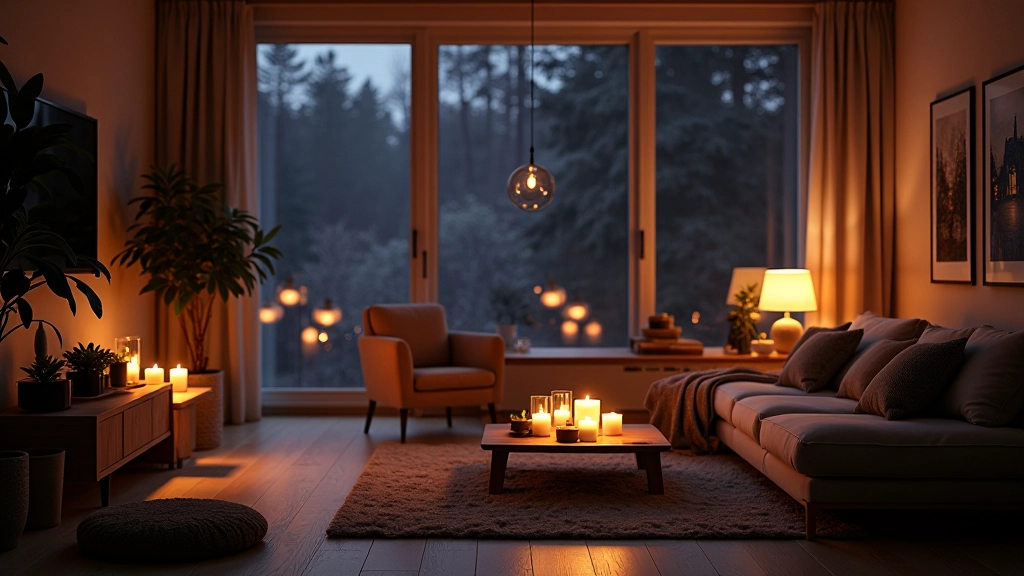
Pro tip: Don't just buy one bright bulb. Layer your lighting instead. Multiple softer sources create more visual interest and warmth than one harsh bright light.
Not all warm LEDs are created equal. Here's what actually matters when you're shopping.
Look for dimmable LEDs. Not all are compatible with traditional dimmers, so check the packaging. Dimming lets you adjust the mood from brighter (great for cleaning or cooking) to softer (perfect for evening relaxation).
CRI measures how accurately colors appear under the light. A higher CRI (90+) means reds, greens, and skin tones look more natural. For living spaces where you actually care how things look, this matters.
Some warm LEDs now work with smart home systems. You can control brightness and scheduling from your phone. It's convenient if you're into that sort of thing, but not essential for basic cozy lighting.
Look for the Energy Star label or EU efficiency rating. It confirms the bulb actually delivers on its energy-saving promises and will reduce your electricity bills over time.
Buy from reputable brands. Cheap LEDs sometimes don't deliver the promised color temperature. You'll end up with yellowish light that feels off, or pale light that defeats the purpose.
Most quality LEDs come with a 3-5 year warranty. Check what's covered. Some manufacturers stand behind their products for much longer, which is worth paying attention to.
Once you've picked your bulbs, installation is straightforward. But there are a few things that'll help you get the best results.
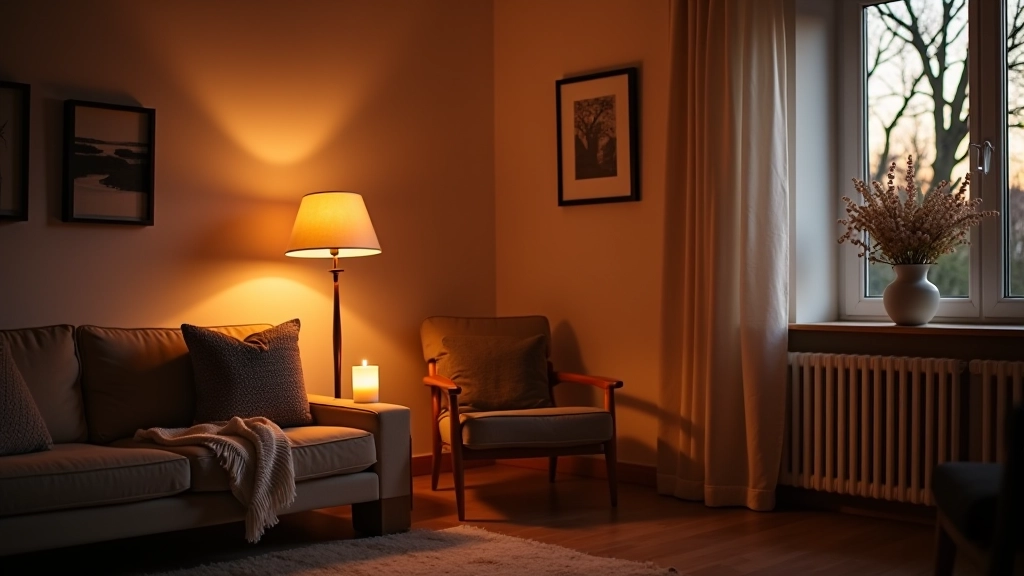
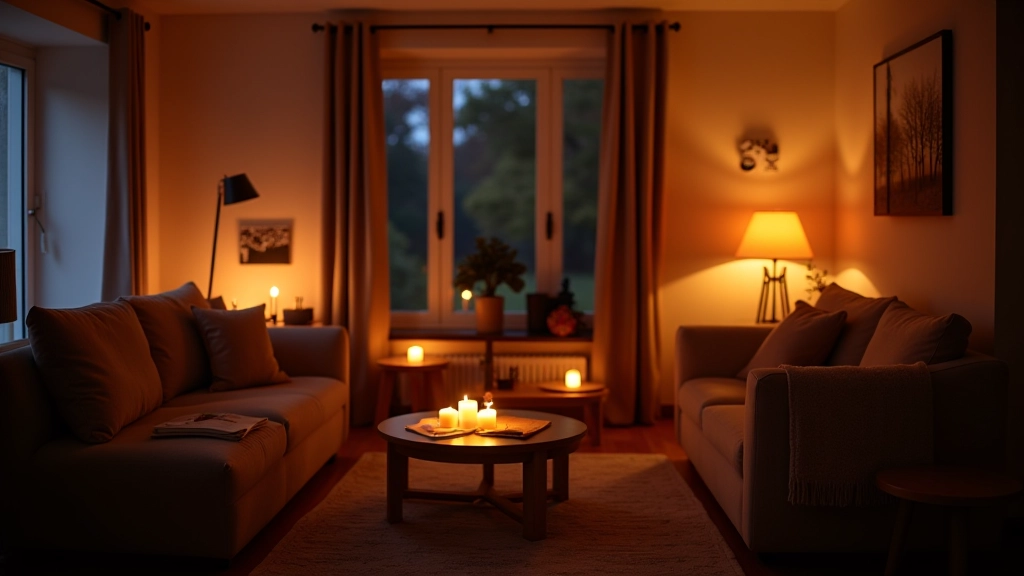
Mix fixture types. Ceiling fixtures, table lamps, wall sconces, and floor lamps all work together to create layered lighting. This is way more effective than relying on one overhead light.
Test before committing. Buy one or two bulbs in a new color temperature and live with them for a few days. See how they feel at different times of day.
Position lights at different heights. Light from above only creates shadows. Adding light at eye level and below adds depth and makes spaces feel more comfortable.
Use lampshades strategically. A warm shade (cream, linen, paper) diffuses and softens light beautifully. Dark shades absorb light, so avoid those if you're going for cozy.

This article provides general educational information about LED lighting selection and installation. Information is based on industry standards and best practices. Individual circumstances vary, and results depend on factors like room size, existing fixtures, and personal preference. Always follow manufacturer instructions for installation. For electrical work beyond simple bulb replacement, consult a qualified electrician. Product recommendations are informational only and don't constitute professional lighting design advice.
Choosing the right LED lighting doesn't have to be complicated. Focus on three things: color temperature (aim for 2700K-3000K), lumens (moderate brightness with layered sources), and quality (reputable brands with good reviews). These choices will transform your space into somewhere you actually want to spend time, especially during those long Baltic winter evenings.
The beauty of modern LEDs is that they're flexible. You can adjust brightness with dimmers, switch between different fixtures for different moods, and enjoy the energy savings without sacrificing comfort. That's the real win — technology that supports your lifestyle instead of getting in the way.