
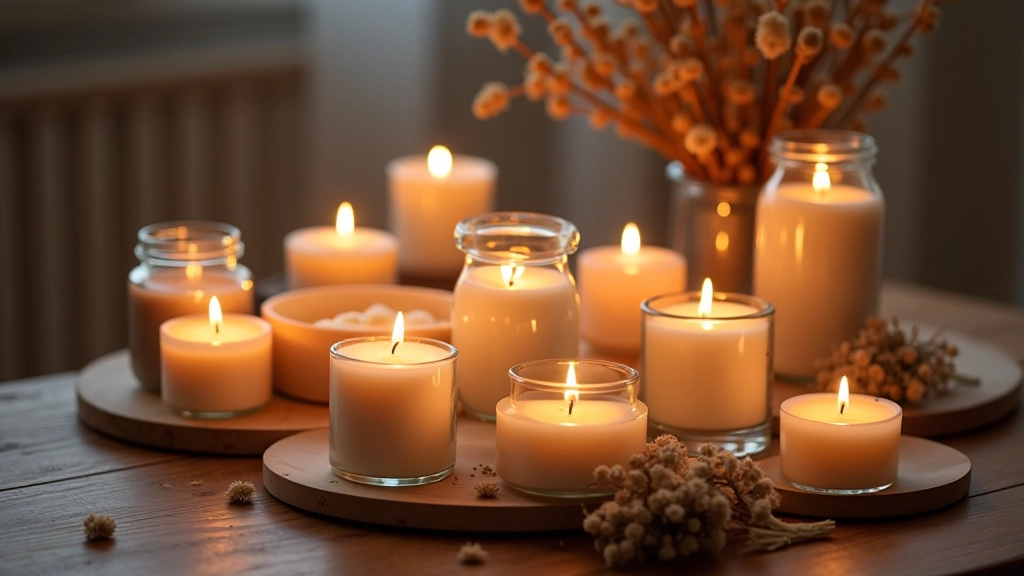
Understanding Hygge: The Art of Cozy Living
Discover what makes hygge different from just comfort. We'll explore the Danish concept that's transformed homes across the Baltic region and how you can create it in your own space.
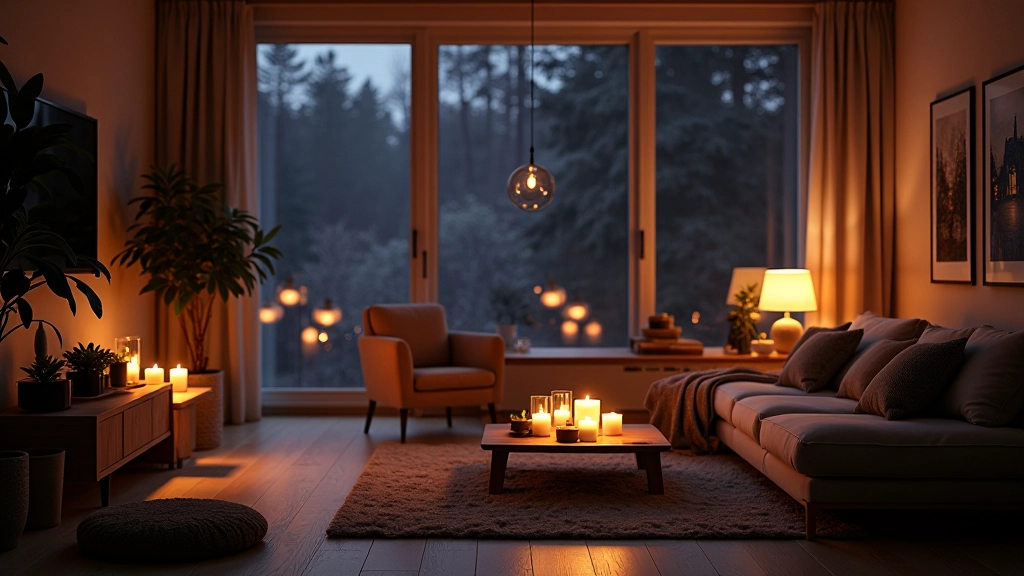
What Is Hygge, Really?
Hygge (pronounced "hoo-gah") isn't a luxury. It's not about expensive furniture or designer lighting fixtures. It's a feeling. The Danes developed this concept over centuries of long, dark winters, and it's become their secret to staying content when daylight dips below four hours.
Here's the thing about hygge — it's deeply practical. It's the warmth you feel when you're with people you trust, wrapped in soft blankets, with good light and maybe a warm drink nearby. It's about slowing down. Creating moments that matter. For those of us living in the Baltic region, hygge isn't just a nice concept. It's survival strategy for the winter months.
Unlike "cozy" (which can feel saccharine), hygge has substance. It combines three elements: comfort, connection, and intentional atmosphere. You can't fake it with a single candle or one soft chair. Hygge requires thoughtfulness.
The Three Pillars of Hygge
- Comfort: Physical softness and warmth through textiles, temperature, and safe spaces
- Connection: Genuine presence with people (or meaningful solitude) without distractions
- Atmosphere: Carefully chosen lighting, sounds, and sensory elements that slow time down
Lighting: The Foundation of Hygge
You can't create hygge with overhead lights. Full stop. Harsh, bright light tells your nervous system to stay alert. Hygge requires soft, layered lighting that creates depth and shadows. In Rīga's winter months when natural light barely exists between November and February, artificial lighting becomes your primary tool.
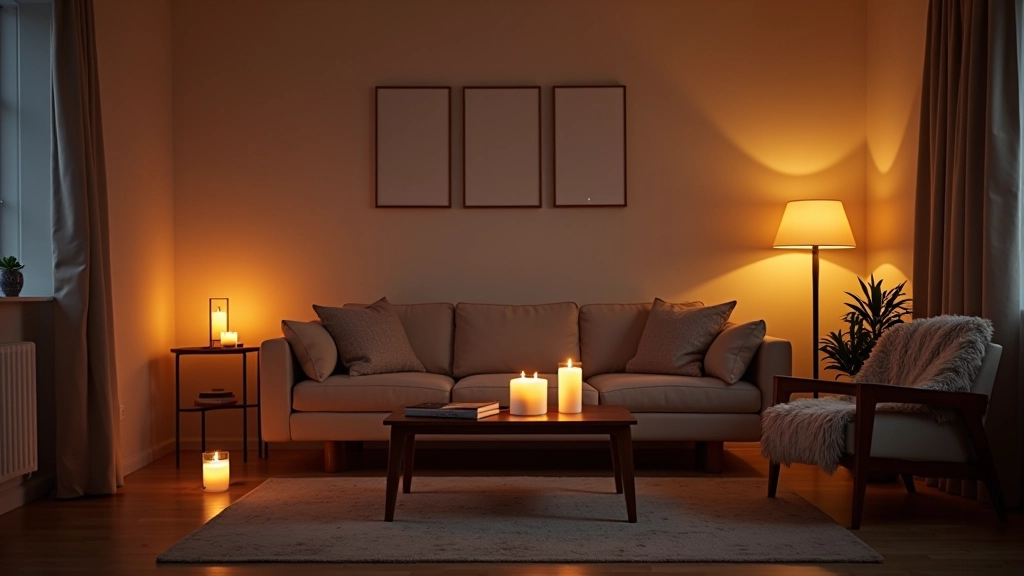
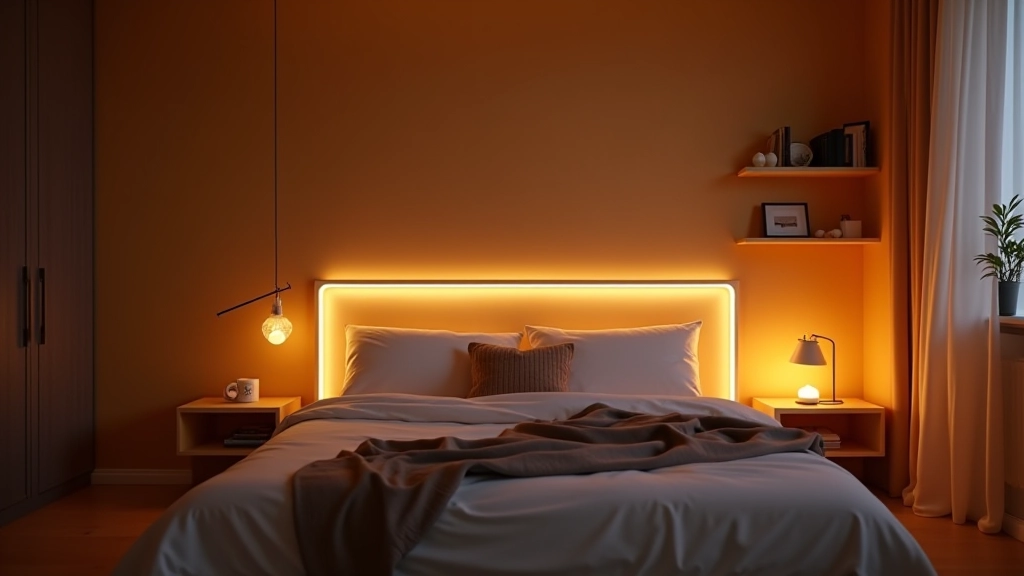
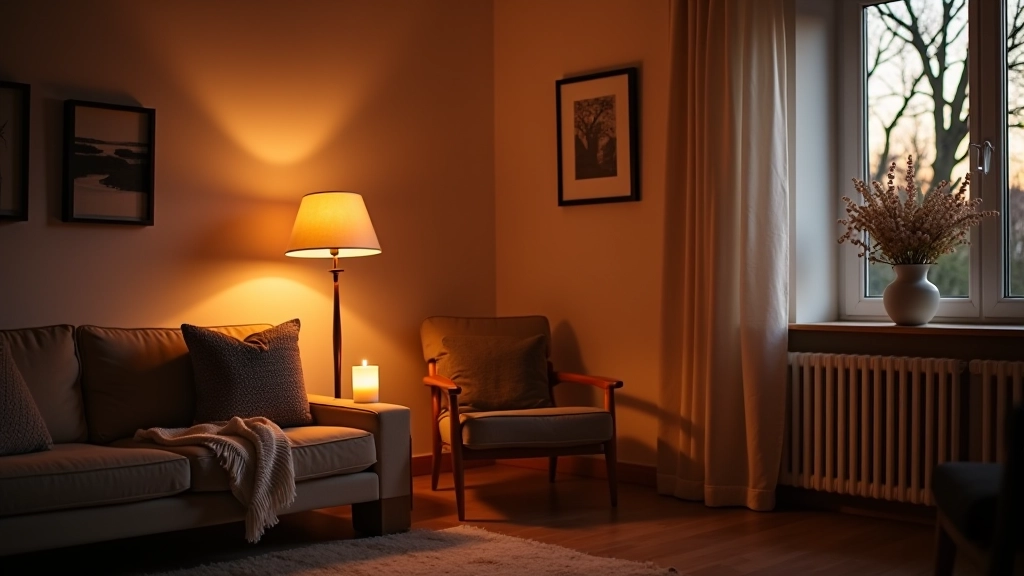
The best hygge lighting uses multiple sources at different heights. A table lamp at eye level. Candles scattered across surfaces. A floor lamp in the corner creating ambient glow. Wall sconces that bounce light off surfaces instead of projecting directly. When these sources overlap, they create pockets of warmth rather than uniform brightness.
Color temperature matters enormously. Warm white light (2700K-3000K) activates melatonin production and tells your body it's time to relax. Cool white (5000K+) keeps you alert — great for work, terrible for hygge. Most people find their hygge sweet spot around 2200-2700K, which is noticeably warmer than standard office lighting.

Building Your Hygge Layers
Most people make the mistake of treating their home as one space with uniform lighting. Hygge requires zones. Your reading corner needs different light than your dining area, which needs different light than your bedroom.
Start with what designers call "ambient lighting" — the base layer that fills the room. This is usually 20-30% of total brightness and comes from sources you don't look directly at. Wall sconces work beautifully for this. Then add "task lighting" — bright enough for specific activities like reading or cooking. A table lamp beside your chair. Under-cabinet lights in the kitchen. Finally, layer in "accent lighting" — the decorative sources that create visual interest. Candles. String lights. Picture frame lights. These don't need to be bright. They're about creating atmosphere.
In practice, you're looking at maybe three light sources per room, positioned at different heights. A floor lamp (5-6 feet high), a table lamp (3-4 feet), and candles (1-2 feet). This variation creates depth that flat overhead lighting simply can't achieve.
Textiles and Temperature: The Physical Comfort
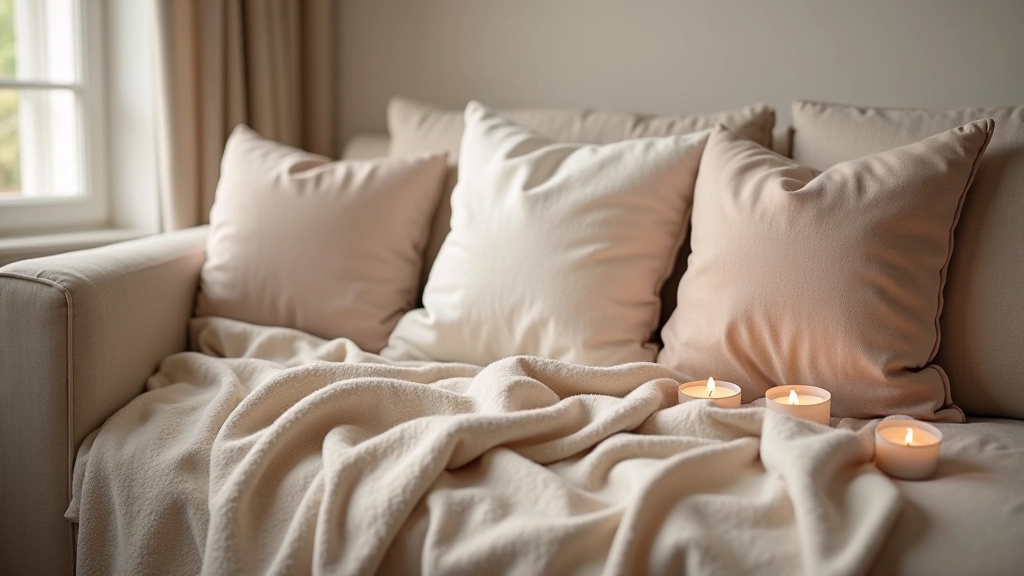
Hygge isn't just visual. You need to *feel* it. Soft blankets, natural wool throws, linen pillows. The texture matters as much as the warmth. When you're sitting under a heavy wool blanket, your nervous system knows it's safe. There's actual science here — pressure and warmth activate parasympathetic response, the opposite of fight-or-flight.
Temperature control is critical. Most Baltic homes stay around 20-21°C (68-70°F), which is technically comfortable but too cool for true hygge relaxation. When you add soft textiles, you're creating a microclimate — maybe 23-24°C (73-75°F) under your blanket. That small difference signals your body to settle in for the evening.
The most hygge-focused people in Denmark and Sweden actually lower their overall home temperature to 18-19°C (64-66°F) and rely on textiles to stay warm. It's more energy-efficient and creates a stronger contrast between the cold outside and the warm nest you've created inside. This psychological boundary intensifies the hygge feeling.

Related Reading
Important Note
This article provides educational information about hygge principles and lighting design for residential spaces. Individual preferences for comfort, lighting, and atmosphere vary significantly. Consider your personal needs, budget, and existing home setup when implementing these suggestions. For specific lighting installations, especially electrical work, consult with qualified professionals in your area.
Creating Your Hygge Moment
Hygge doesn't require a complete home renovation or expensive purchases. Start small. Add one soft blanket to your favorite chair. Dim your overhead lights and use a single table lamp. Light a candle. The feeling develops gradually as you layer these elements together.
The beauty of hygge is that it's sustainable. You're not chasing a trend or an aesthetic. You're creating an environment where your nervous system can genuinely relax. During Latvia's dark winter months, that's not luxury. That's essential. Start with your lighting, add warmth through textiles, and let the hygge feeling build naturally from there.