Understanding the Three-Layer System
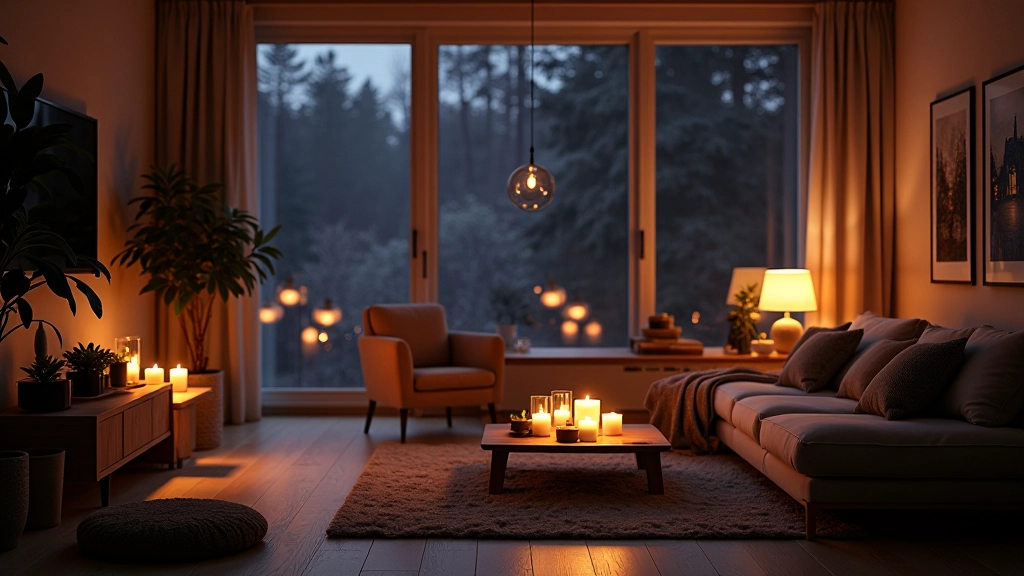
Layered lighting isn't complicated. It's really just about creating depth with three types of light working together. When you get this right, your space stops feeling flat and starts feeling alive—especially important when you're dealing with Latvian winters where natural light disappears by 3 PM.
The system works because each layer serves a different purpose. Ambient lighting sets the mood. Task lighting lets you actually see what you're doing. And accent lighting? That's what makes people walk in and say "something feels special here."
Ambient Lighting: The Foundation
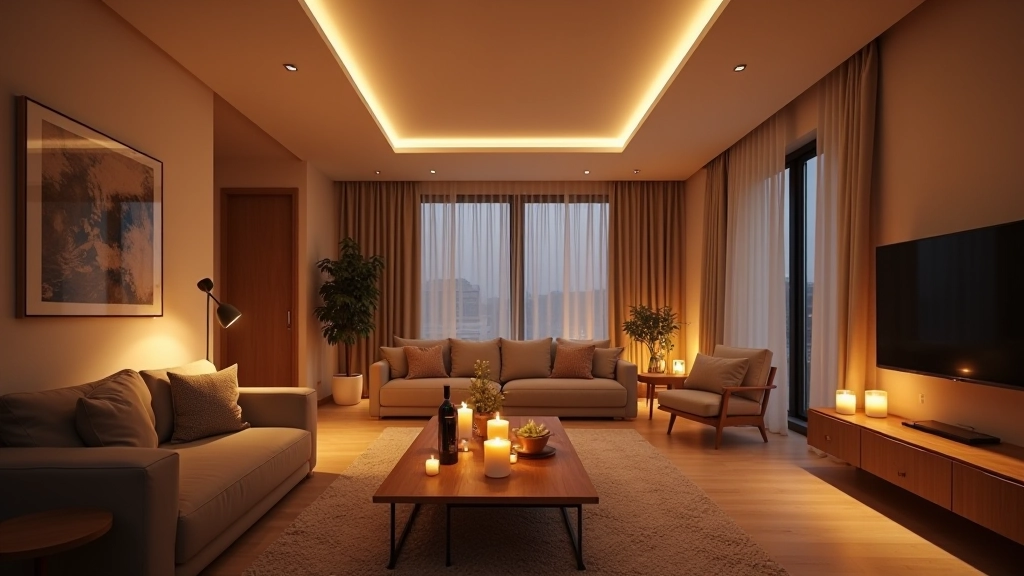
Ambient lighting is your baseline. It's what keeps you from bumping into furniture at night. Most homes use ceiling fixtures, but in Baltic interiors, we're seeing a shift toward wall-mounted sconces and recessed lighting that's less harsh.
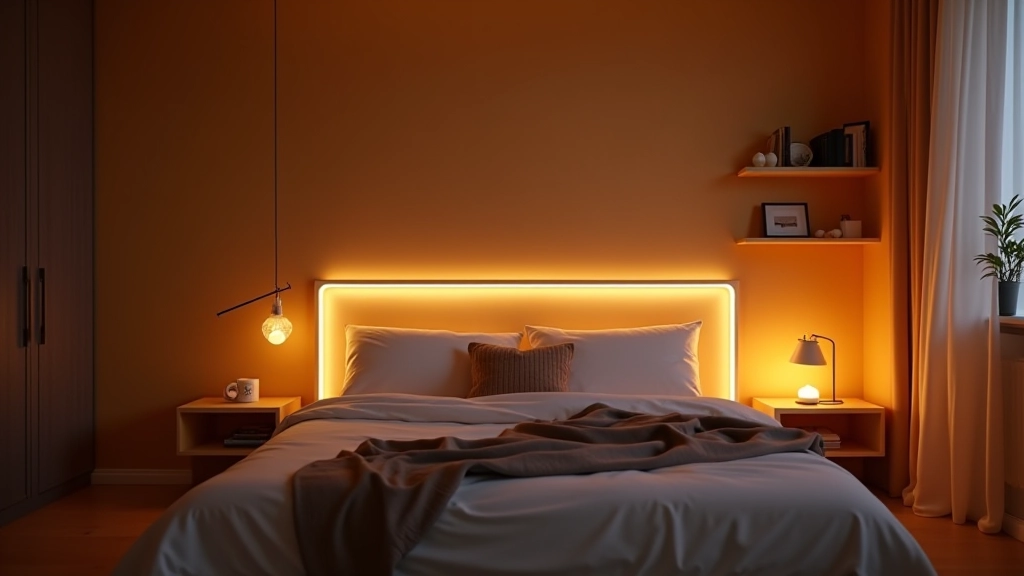
Here's what works in Rīga apartments: indirect ceiling coves with warm LED strips (2700K color temperature) running around the perimeter. They don't create glare, and they make small spaces feel taller. If you've got high ceilings like in older Jūrmala villas, you can go bolder with pendant clusters or a central chandelier, but keep the warmth consistent.
Pro tip: Install ambient lighting on a dimmer. Winter evenings feel different at 6 PM versus 8 PM—your lighting should adapt too.
Task Lighting: Where Work Happens
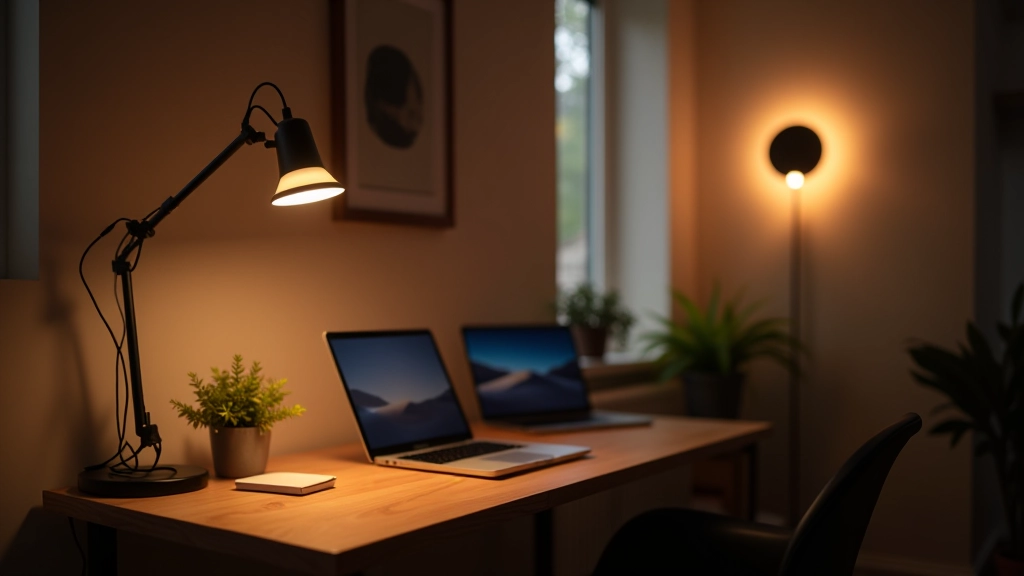
You need focused light for reading, cooking, working. Don't try to do these with just ambient light—you'll strain your eyes and wonder why you feel exhausted by 7 PM. Task lighting is specific and intentional.
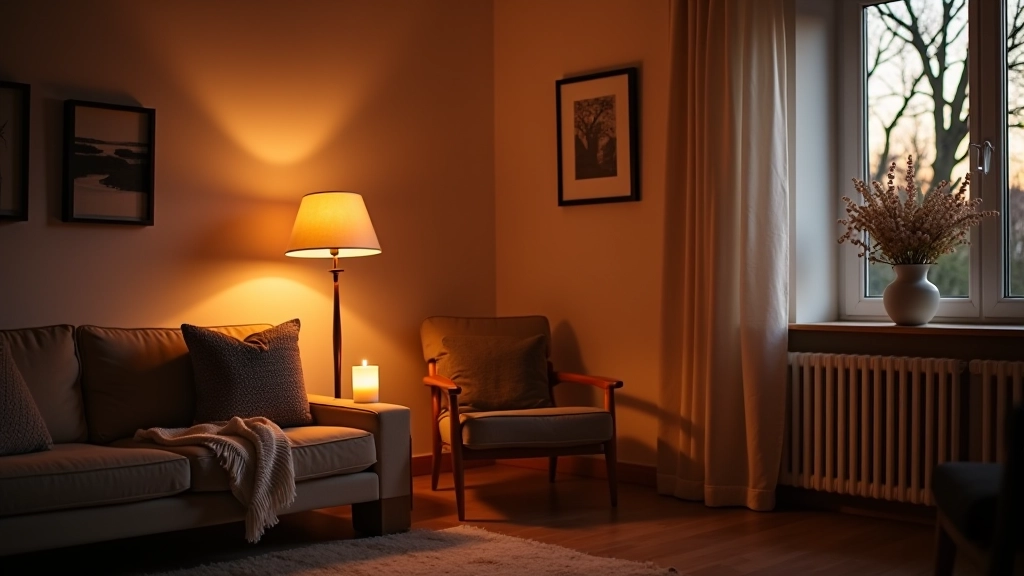
For kitchens in Baltic homes, undercabinet lighting is non-negotiable. It eliminates shadows when you're preparing food. For reading areas, a floor lamp or table lamp positioned 12-15 inches to the side of your shoulder works best. The light should hit the page without creating glare on your face.
Brightness matters too. Aim for 300-500 lumens for task areas—that's about 3-4 times brighter than ambient light. If you're installing new fixtures, look for bulbs marked "5000K" (neutral white) for task areas where color accuracy matters, like kitchen work surfaces.
Accent Lighting: Creating Visual Interest
This is where personality enters. Accent lighting highlights artwork, architectural features, or objects you want people to notice. It's typically 3-5 times brighter than ambient light but still lower than task lighting.
Picture Lights
Mount a small adjustable light above artwork. Creates depth and makes paintings look three-dimensional. Works especially well in galleries of family photos.
Shelf Lighting
LED strips on floating shelves draw eyes upward and highlight decorative objects. Popular in Jūrmala homes with open shelving and book collections.
Wall Washing
Lights positioned to illuminate an entire wall—often stone, wood paneling, or textured plaster. Creates dramatic shadow patterns and emphasizes architectural interest.
In Baltic homes, we're seeing more creative use of accent lighting to highlight the architectural details that make older buildings special. Ornate ceiling molding? Light it. Original hardwood? Emphasize it. These details become invisible in flat, uniform lighting.
Practical Implementation for Your Space
Starting a layering project doesn't require gutting your home. Most people begin with what they've already got, then add strategically.
Audit Your Current Setup
Spend an evening in your main living spaces. What can you do comfortably? Where do you need a lamp? Where's the light too harsh? Write it down.
Add Task Lighting First
Get a good desk lamp, kitchen undercabinet lights, or reading lamp where you actually need focused light. This improves functionality immediately.
Install Dimmers
Replace standard switches with dimmers. You'll use your existing ambient fixtures better and save energy. This alone transforms how a space feels.
Add Accent Pieces
Once you've got baseline and task covered, add accent lighting where it draws attention to what you love about your space.
Why This Matters During Baltic Winters
November through February, your home's lighting is your primary mood regulator. Good layering doesn't just make spaces look better—it actually affects how you feel during long dark periods. When you've got control over light depth and intensity, you're not just fighting darkness. You're creating warmth, focus, and visual interest when natural light simply can't provide it.
The homes in Rīga and Jūrmala that feel most inviting aren't the ones with the brightest lights. They're the ones where light is used thoughtfully—layered, dimmed, and adjusted for the moment. That's the difference between a house that feels okay and a home that feels like a refuge.
Disclaimer
This article is informational and educational in nature. Lighting design varies based on individual preferences, room characteristics, and local building codes. For electrical installations, especially those involving wiring modifications, consult a licensed electrician. Always follow safety guidelines when installing light fixtures. Color temperatures and brightness recommendations are general guidelines—your personal comfort and needs should guide your choices.
Explore Related Topics